February 5, 2025

Free Webinar: Strengthening AOD Responses: LGBTIQA+SB Communities at the Intersection of FDV & Suicide Prevention

Tue, 11 Feb

Where: Online - Microsoft Teams


Free Webinar: Strengthening AOD Responses: LGBTIQA+SB Communities at the Intersection of FDV & Suicide Prevention


Join us for a concise, powerful webinar on supporting LGBTIQA+SB individuals facing AOD challenges, family and domestic violence, and suicide risks. Hear practical strategies from Switchboard Victoria’s Anna McFee and Maya Ellazam to enhance inclusive, trauma-informed care.


Ideal for AOD workers, mental health professionals, social workers, and community services staff.


We are excited to welcome Anna McFee and Maya Ellazam from Switchboard, who will both provide valuable insights and practical strategies to build workforce capacity and enhance inclusive, trauma-informed care. This session will explore key challenges, highlight best practice approaches, and share resources to support frontline workers in effectively responding to the unique needs of LGBTIQA +SB individuals.


This webinar is ideal for AOD workers, mental health professionals, social workers, and anyone working in the community services sector looking to strengthen their knowledge and practice.


Register now to gain practice tools, deepen your understanding, and contribute to creating safer, more inclusive support systems.


Please find below a bit more information about our two key presenters:


Anna McFee (she/her) - Acting Suicide Prevention Manager, Switchboard Victoria

Anna McFee is the Acting Suicide Prevention Manager at Switchboard Victoria. For the past 3 years Anna has been working within Switchboard's LGBTQIA+ Suicide Bereavement program, to continue to grow the Suicide Bereavement Supports available to LGBTIQA+ communities. Anna is passionate about community lead responses to care, group, and peer support. Anna has brings a creative and community spirit to the Suicide Prevention work at Switchboard, and is an advocate for uplifting LGBTQIA+ voices in Suicide Prevention care. 


Maya Ellazam (she/her) - Suicide Prevention Project Manager, Switchboard Victoria

Maya (she/her) is the Suicide Prevention Project Manager at Switchboard Victoria. She runs Changing the Landscape, a national campaign fighting for every LGBTIQA+SB person to have access to life affirming suicide prevention support when they need it most. Previously, she worked on the national implementation of Beyond Blue’s The Way Back Support Service, a suicide aftercare service for people who have been discharged from hospital after a suicide attempt. Maya is passionate about integrating her understanding of grassroots frameworks and broader systems level approaches to advocate for sustainable, supported, community-led responses to suicide. She is proud to work with and continually learn from fellow LGBTIQA+SB advocates in the fight for the health of our communities. 


Register now: https://events.teams.microsoft.com/event/6eab1247-6854-4f17-ac8c-067285a3356c@4762e368-6a8f-47da-9cea-5deea4a98a86
By Rita Francis March 13, 2026
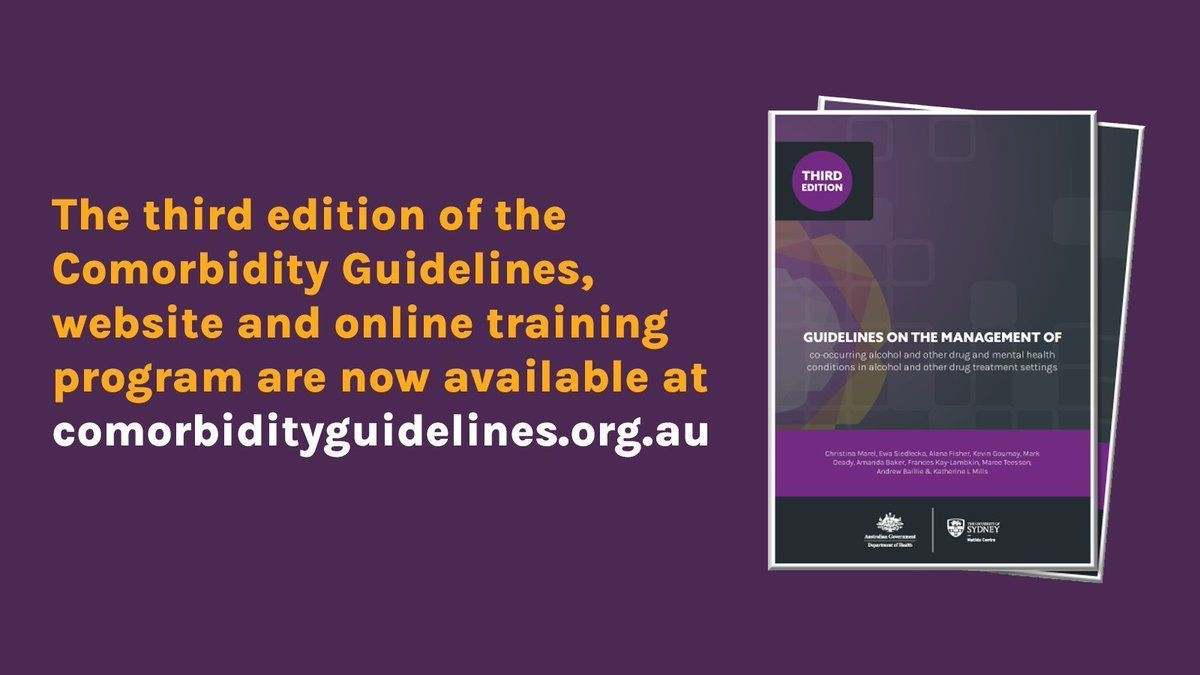
A toolkit to support organisations implement the Guidelines on the management of co-occurring alcohol and other drug and mental health conditions in alcohol and other drug treatment settings (3rd edition) into practice is now available. Developed by researchers from the Matilda Centre at the University of Sydney in collaboration with key stakeholders, including AOD organisational leaders and workers, people with lived experience and loved ones, with funding from Australian Government Department of Health, Disability and Ageing, the Guidelines implementation toolkit aims to assist organisational leaders to identify and address the following: evidence-to-practice gaps in relation to Guidelines recommendations; barriers to the implementation of Guidelines recommendations; implementation strategies and tools to address identified barriers; and processes for implementing and evaluating change. What is the toolkit? The Toolkit guides organisational leaders through a five-step implementation process for putting Guidelines recommendations into practice. Steps 1-4 inform the development and evaluation of an implementation work plan described in Step 5. Each step is accompanied by: i) guidance on how to complete the step; ii) an example of the step being completed in practice; and iii) implementation tools. The toolkit is designed to be flexible and adaptable to individual AOD treatment settings, and guidance and tools do not need to be used prescriptively. Instead, organisational leaders can use their experience, judgement and expertise to apply the toolkit within their local context. Who is the toolkit for? The toolkit has been developed for people working within AOD treatment settings who have the capacity to influence change, such as organisational leaders, service managers, clinic directors, quality assurance and improvement officers.
By Rita Francis March 13, 2026
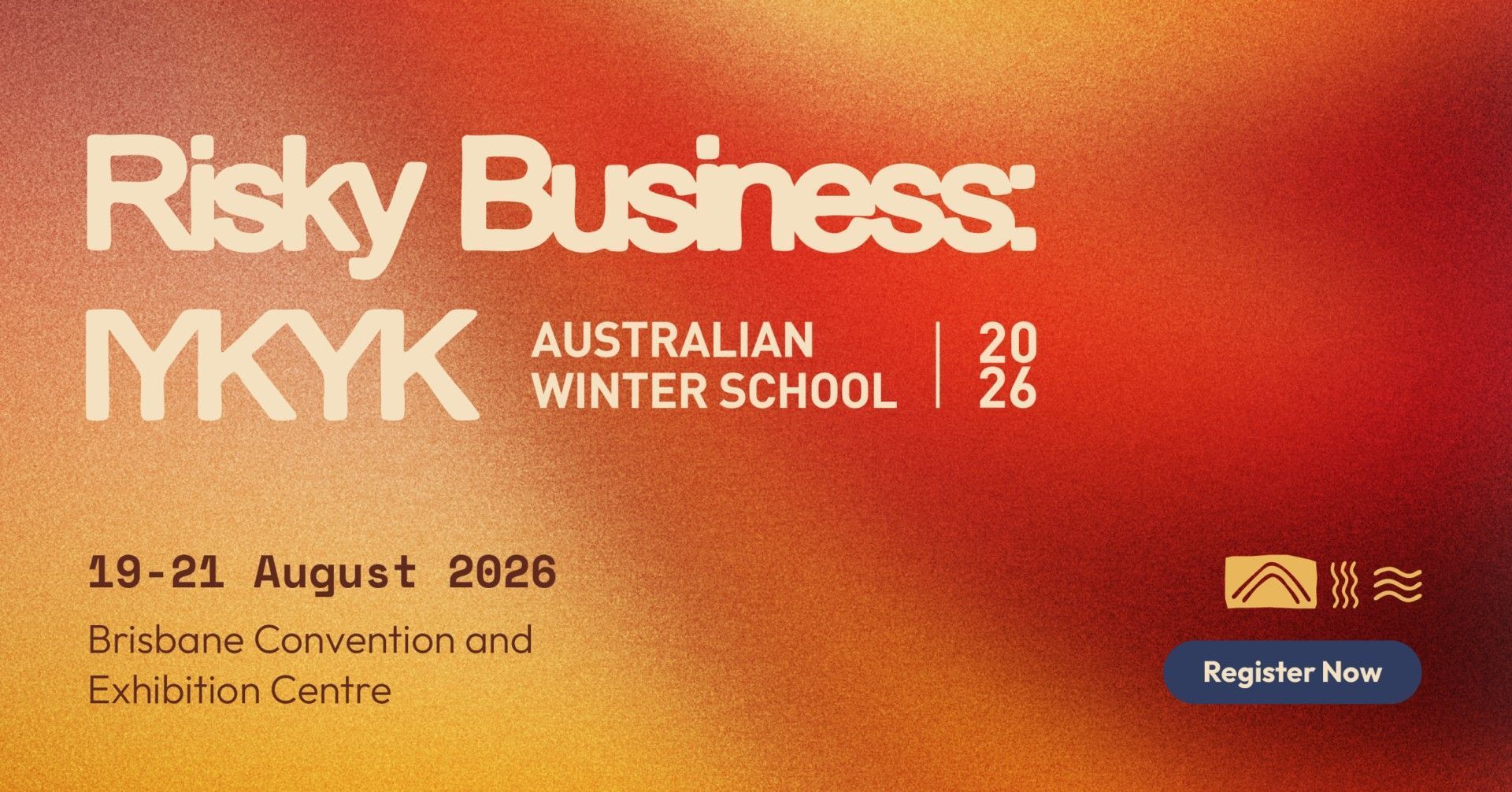
19–21 August 2026
By Rita Francis March 13, 2026
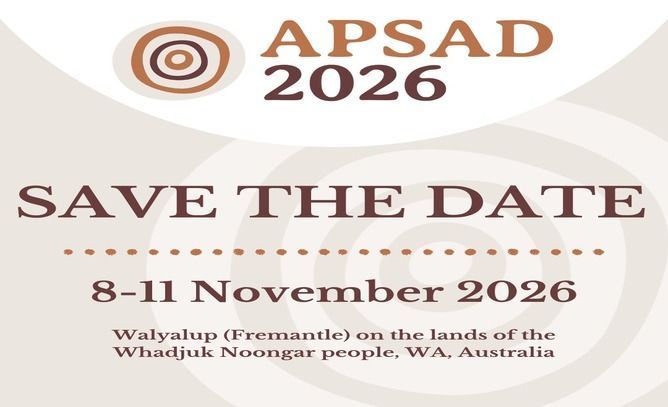
8-11 November 2026
By Rita Francis March 13, 2026
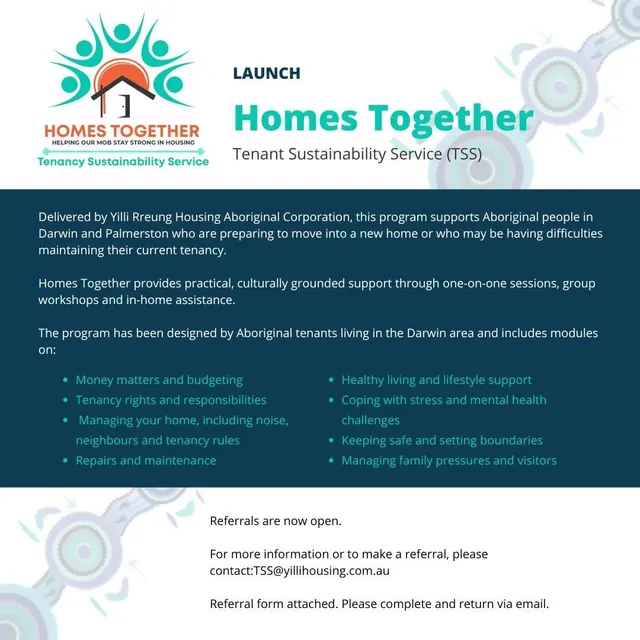
Yilli Rreung Housing is pleased to announce the launch of our Homes Together – Tenant Sustainability Service (TSS) Program. Please see below for more information about the program and the support they offer. For more information or to make a referral, please email TSS@yillihousing.com.au Click here for the referral form. Please complete and return via email.
By Rita Francis July 10, 2025
The Alcohol and Drug Foundation (ADF), in collaboration with SHARC and Harm Reduction Victoria, has launched a powerful new resource focused on Lived and Living Experience (LLE) in the Alcohol and Other Drug (AOD) sector. As momentum grows across Australia for meaningful and ongoing LLE involvement, this resource highlights the vital role that people with lived or living experience play across all areas of health and social support, including strategy and policy development, research, education and training, leadership, program design and service delivery. This new resource offers practical insights and guidance on: What LLE is and why it matters The variety of roles people with LLE hold across Australia How their unique expertise can drive better outcomes for individuals and communities Key considerations for engaging LLE meaningfully and ethically in your work Whether you're a service provider, policymaker, educator or working in program design, this resource is a must-read to ensure your approach is informed, inclusive and reflective of real-world experience. View the resources here .
By Rita Francis July 9, 2025
NCCRED recently hosted a webinar titled “ Digital interventions for methamphetamine use and First Nations people ”. The session began with an overview of a four-phase project with Aboriginal and Torres Strait Islander populations. During the data collection phase, qualitative and quantitative data were gathered from 736 participants aged 16 and above (median age 34), 60% of whom identified as Aboriginal and/or Torres Strait Islander. These insights informed the development of community-led prevention strategies and a web-based app, “Wada Wanti: Leave the Ice Alone”. The app content is based on evidence-based approaches including cognitive-behavioural therapy, motivational interviewing, emotional regulation techniques and relaxation strategies. The digital interventions can be used independently or integrated by workers in a range of service settings, including primary care and AOD treatment sessions.  The webinar concluded with a panel discussion and Q&A session. The recorded webinar is available here .
By Rita Francis July 9, 2025
Barod, an AOD service based in Wales (United Kingdom), recently published a guide titled “Why language matters” which was developed alongside people with lived and living experience of substance use. The authors note that when it comes to substance use, language can either reinforce stigma or foster understanding. They explain that dehumanising and derogatory words like “addict”, “clean”, or “chaotic” can carry judgment, shame, and blame — and can stop people from seeking the support they need. The authors suggest when we choose our words with care, we help create a culture of dignity, inclusion, and hope. This guide provides a list of language to avoid, why, and acceptable alternatives to use. Although this guide was developed in Wales, we think much of the content applies to the Australian context. Visit the Barod website and download the guide here .
By Rita Francis July 9, 2025
This study titled “Parent substance use and child-to-parent violence: A brief report” investigated the association between parental substance use and substance involved child to parent violence (SU-CPV) i.e. the young person is influenced by a substance. They found parental alcohol use was associated with an increased likelihood of SU-CPV. They suggest parental behaviours may influence the young person's behaviour, and this may be exacerbated by the disinhibiting impact of alcohol and unpredictability within the home environment. They also discuss that parental alcohol use could be a coping strategy for parents experiencing SU-CPV. Access the report here - Parent substance use and child-to-parent violence: A brief report
By Rita Francis July 9, 2025
Tobacco use in Australia – including among young people - is at its lowest level in decades, largely due to effective public health strategies. However, a recent article in The Guardian suggests that the twice-yearly increases in tobacco excise may have reached the limit of their effectiveness. Rather than further reducing smoking rates, these ongoing tax increases may be contributing to the growth of the illicit tobacco market. The article examines the impactof continued excise increases and highlights the growing challenge posed by illicit tobacco sales in Australia, raising important questions about the future direct of tobacco control efforts. To read the full article, go to “Tobacco excise ha s passed a ‘tipping point’ and is fuelling black market, economists warn”
By Rita Francis July 9, 2025
NAIDOC week starts this Sunday, 6th of July. It is an opportunity to recognise and celebrate the history, culture and achievements of Aboriginal and Torres Strait Islander peoples. This year’s theme, "The Next Generation: Strength, Vision & Legacy," celebrates both achievements of the past and the bright future ahead, empowered by the strength of young leaders, the vision of communities, and the legacy of ancestors. 2025 also marks NAIDOC’s 50th year! To learn more about NAIDOC week, download promotional materials, and find events happening in your area, go to NAIDOC Week 2025 .
Show More