May 23, 2024
New 'Psychostimulant withdrawal management' module released
Insight have just published a new module as part of their broader withdrawal management eLearning course focussing on psychostimulants.
The aim of this module is to equip workers with a greater knowledge and awareness of psychostimulants as well as practical strategies and techniques for managing psychostimulant withdrawal.
More specifically, the module covers:
- the neurobiology and symptomology of psychostimulant withdrawal
- treatment options for managing psychostimulant withdrawal.
Click here to access the module.
The Association of Alcohol and Other Drug Agencies NT (AADANT) has submitted a response to the Liquor Amendment Bill 2026, supporting measures that reduce alcohol-related harm while highlighting areas where the proposed legislation could be strengthened. The submission raises concerns about the potential unintended consequences of extending banning notices without exemptions for accessing food and other essential goods, particularly in regional communities. AADANT also emphasises the importance of meaningful community consultation and adequate resourcing to support communities developing Community Alcohol Plans. In addition, the submission notes the need to balance procedural fairness for liquor licensees with the Liquor Commission's ability to respond quickly to emerging alcohol-related harms. Download our submission

28 July 2026 Media Release Closing YiSSA Will Put Lives at Risk — NT AOD Sector Sounds the Alarm The Northern Territory’s peak body for Alcohol and Other Drug services is calling on the NT Government to urgently reconsider its decision to close a major Darwin homelessness shelter, leaving hundreds of Territorian children and adults without access to housing and crucial services. The Association of Alcohol and Other Drug Agencies NT (AADANT) said that the decision to not renew the lease at YiSSA Short-Stay Accommodation Centre would have dire consequences for Top End communities. “ YiSSA is not just a roof over someone’s head, it’s a critical part of a system that engages people with services that make everyone safer and healthier .” AADANT CEO Stephanie Holmes said. “ Housing instability is one of the biggest barriers to people engaging with and staying in AOD treatment. When someone does not have a safe and stable place to stay, treatment does not work. People cannot focus on recovery when they do not know where they will sleep. They disengage. They relapse. In the worst cases, they do not survive. ” Ms Holmes said that the Government cannot ignore the impact that removing transitional housing will have on many other services that will absorb this pressure without additional support. “ Without YiSSA, our frontline AOD services lose a crucial avenue to provide support for a huge number of people struggling with complex health needs such as AOD dependency, mental ill-health, disability, domestic & family violence. This decision compounds and exacerbates these issues, pushing NT AOD and mental health facilities that are already operating at capacity to breaking point .” “ The NT Government must recognise that housing and AOD treatment are not separate systems, they are interdependent and decisions that destabilise one will inevitably strain the other .” AADANT is calling on the NT Government to: Extend the transition timeline to allow for genuine planning and adequate alternative pathways to be established. Commit additional funding to ensure no person currently supported by YiSSA is left without safe accommodation and appropriate support. Engage meaningfully with the homelessness, AOD, health and community services sectors on a transition plan that reflects the true scale and complexity of what YiSSA does. Honour its Closing the Gap commitments by ensuring decisions of this magnitude do not further disadvantage Aboriginal and Torres Strait Islander people and families. AADANT stands with Yilli Rreung Housing Aboriginal Corporation and all partners in advocating for the people who rely on YiSSA. We urge the NT Government to get back to the table before more harm is done. Media enquiries: Stephanie Holmes Association of Alcohol and Other Drug Agencies NT (AADANT) eo@aadant.org.au (08) 8166 2446

The Northern Territory continues to experience the highest levels of alcohol consumption, risky drinking, and alcohol-related harm in Australia. This contributes to significant health, social and community impacts, including hospitalisations, deaths, family and domestic violence, antisocial behaviour and crime. In response, a coordinated whole-of-community approach is needed to reduce harmful drinking, strengthen local controls, and improve safety across the Territory. This includes working with police, health and treatment services, Aboriginal Community Controlled Health Organisations, local councils, community services and industry partners to deliver practical, place-based solutions. The focus is on reducing public drinking and antisocial behaviour, supporting services that address the underlying causes of alcohol-related harm, and building safer, stronger and more liveable communities for all Territorians. Click to download the Plan
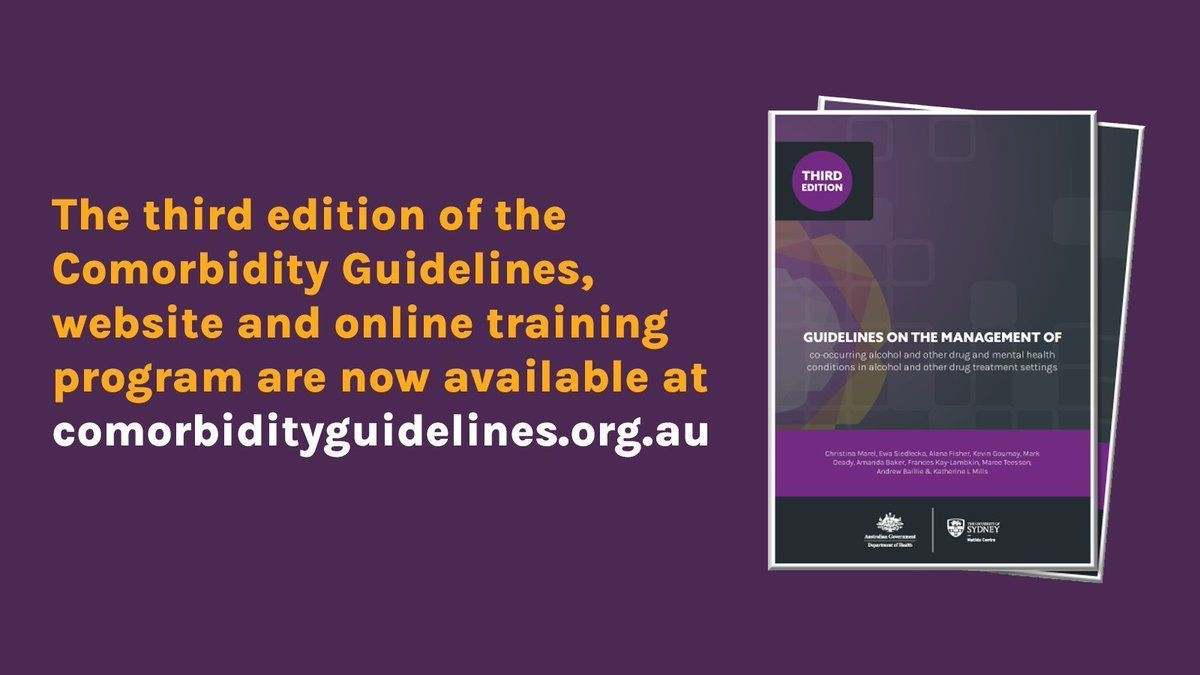
A toolkit to support organisations implement the Guidelines on the management of co-occurring alcohol and other drug and mental health conditions in alcohol and other drug treatment settings (3rd edition) into practice is now available. Developed by researchers from the Matilda Centre at the University of Sydney in collaboration with key stakeholders, including AOD organisational leaders and workers, people with lived experience and loved ones, with funding from Australian Government Department of Health, Disability and Ageing, the Guidelines implementation toolkit aims to assist organisational leaders to identify and address the following: evidence-to-practice gaps in relation to Guidelines recommendations; barriers to the implementation of Guidelines recommendations; implementation strategies and tools to address identified barriers; and processes for implementing and evaluating change. What is the toolkit? The Toolkit guides organisational leaders through a five-step implementation process for putting Guidelines recommendations into practice. Steps 1-4 inform the development and evaluation of an implementation work plan described in Step 5. Each step is accompanied by: i) guidance on how to complete the step; ii) an example of the step being completed in practice; and iii) implementation tools. The toolkit is designed to be flexible and adaptable to individual AOD treatment settings, and guidance and tools do not need to be used prescriptively. Instead, organisational leaders can use their experience, judgement and expertise to apply the toolkit within their local context. Who is the toolkit for? The toolkit has been developed for people working within AOD treatment settings who have the capacity to influence change, such as organisational leaders, service managers, clinic directors, quality assurance and improvement officers.
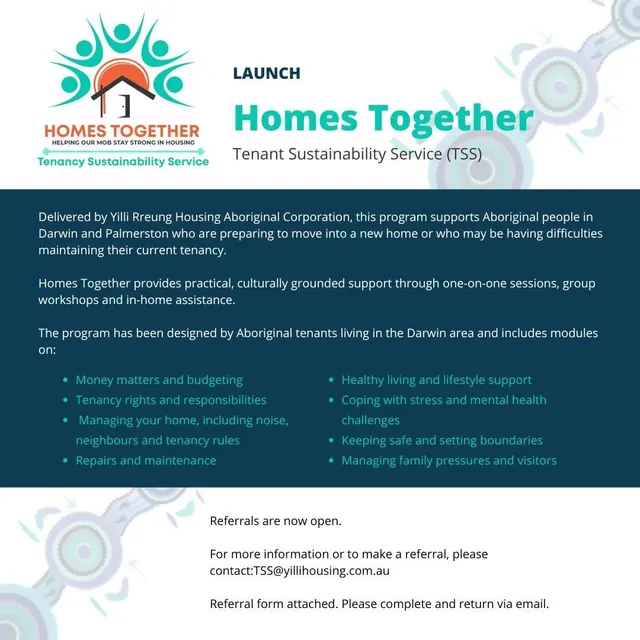
Yilli Rreung Housing is pleased to announce the launch of our Homes Together – Tenant Sustainability Service (TSS) Program. Please see below for more information about the program and the support they offer. For more information or to make a referral, please email TSS@yillihousing.com.au Click here for the referral form. Please complete and return via email.
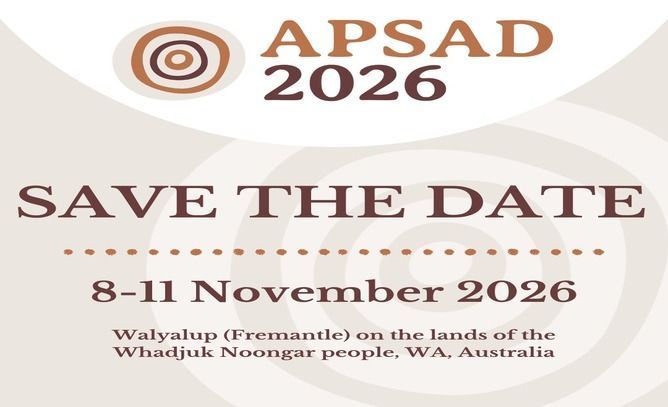
8-11 November 2026
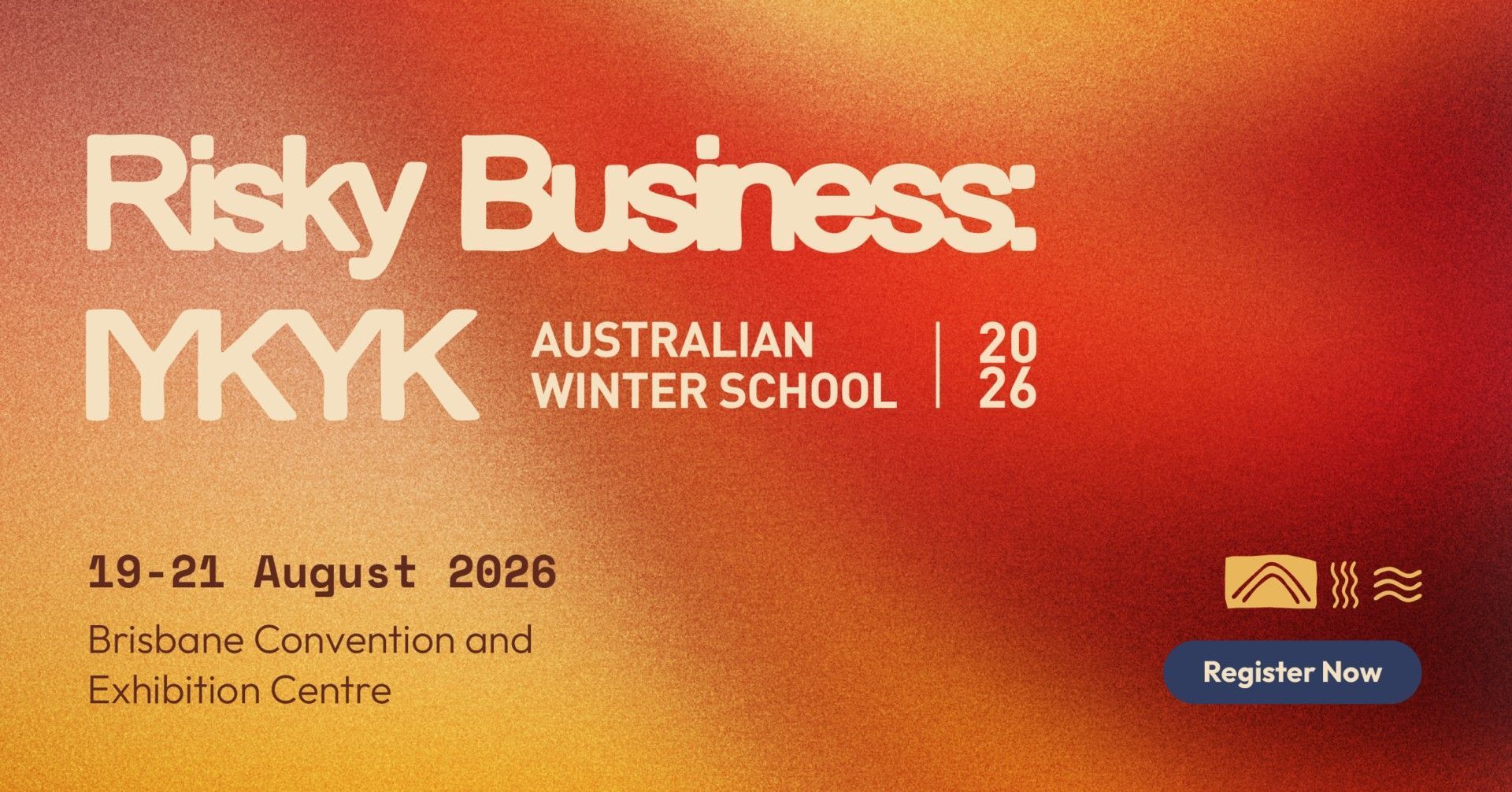
19-21 August 2026
The Alcohol and Drug Foundation (ADF), in collaboration with SHARC and Harm Reduction Victoria, has launched a powerful new resource focused on Lived and Living Experience (LLE) in the Alcohol and Other Drug (AOD) sector. As momentum grows across Australia for meaningful and ongoing LLE involvement, this resource highlights the vital role that people with lived or living experience play across all areas of health and social support, including strategy and policy development, research, education and training, leadership, program design and service delivery. This new resource offers practical insights and guidance on: What LLE is and why it matters The variety of roles people with LLE hold across Australia How their unique expertise can drive better outcomes for individuals and communities Key considerations for engaging LLE meaningfully and ethically in your work Whether you're a service provider, policymaker, educator or working in program design, this resource is a must-read to ensure your approach is informed, inclusive and reflective of real-world experience. View the resources here .

NCCRED recently hosted a webinar titled “ Digital interventions for methamphetamine use and First Nations people ”. The session began with an overview of a four-phase project with Aboriginal and Torres Strait Islander populations. During the data collection phase, qualitative and quantitative data were gathered from 736 participants aged 16 and above (median age 34), 60% of whom identified as Aboriginal and/or Torres Strait Islander. These insights informed the development of community-led prevention strategies and a web-based app, “Wada Wanti: Leave the Ice Alone”. The app content is based on evidence-based approaches including cognitive-behavioural therapy, motivational interviewing, emotional regulation techniques and relaxation strategies. The digital interventions can be used independently or integrated by workers in a range of service settings, including primary care and AOD treatment sessions. The webinar concluded with a panel discussion and Q&A session. The recorded webinar is available here .

Barod, an AOD service based in Wales (United Kingdom), recently published a guide titled “Why language matters” which was developed alongside people with lived and living experience of substance use. The authors note that when it comes to substance use, language can either reinforce stigma or foster understanding. They explain that dehumanising and derogatory words like “addict”, “clean”, or “chaotic” can carry judgment, shame, and blame — and can stop people from seeking the support they need. The authors suggest when we choose our words with care, we help create a culture of dignity, inclusion, and hope. This guide provides a list of language to avoid, why, and acceptable alternatives to use. Although this guide was developed in Wales, we think much of the content applies to the Australian context. Visit the Barod website and download the guide here .